2021.08.09
The modern alchemy of turning stone into gold: the "materials" that determine human destiny
If you were asked to define the different stages of human civilization in one word, what would you say?
Views 9,346Comments 7
If you were asked to define the different stages of human civilization in one word, what would you say?
Have you ever thought about a question:
If materials could talk, they would laugh at human ignorance.
The screen you are staring at now, although you can't feel its existence, is most likely made of some kind of aluminosilicate.

Don't paddle away in a hurry. I know what you are going to say: "Concrete? Isn't that just cement and water? Is this considered high technology?"

Please go to the kitchen and pick up that flat-bottomed non-stick pan.

Did you watch the fairy tale movie "The Wizard of Oz" when you were a kid?

If materials science has a "character", then titanium (Titanium) is definitely a tsundere.
If you throw an iron rod out in the wild and look at it a few decades later, it will be gone. Only a pile of reddish-brown powder remained, blending into the soil.
If you now travel to 10 million years later, you want to see evidence of the existence of human civilization. By that time, the Great Wall might have weathered into mounds of earth, the skyscrapers would have rusted into slag, and even the radiation from nuclear waste would have faded away.
If you were asked to choose the most "bewitching" one in the periodic table of chemical elements, it would definitely be it.
If you were to select "the greatest inventors of the 20th century", Edison would probably be on the list. But if you choose "the most dangerous creature of the 20th century", Thomas Midgley will definitely be at the top of the list. Even Hitler has to step back a little. After all, Hitler relies on the army to kill people, but Midgley only needs to let you "breathe" to kill people.

Reach out your hands and look at your skin. Touch your muscles again, they are made of protein. The core of protein is amino acid, and the core of amino acid is nitrogen (Nitrogen).
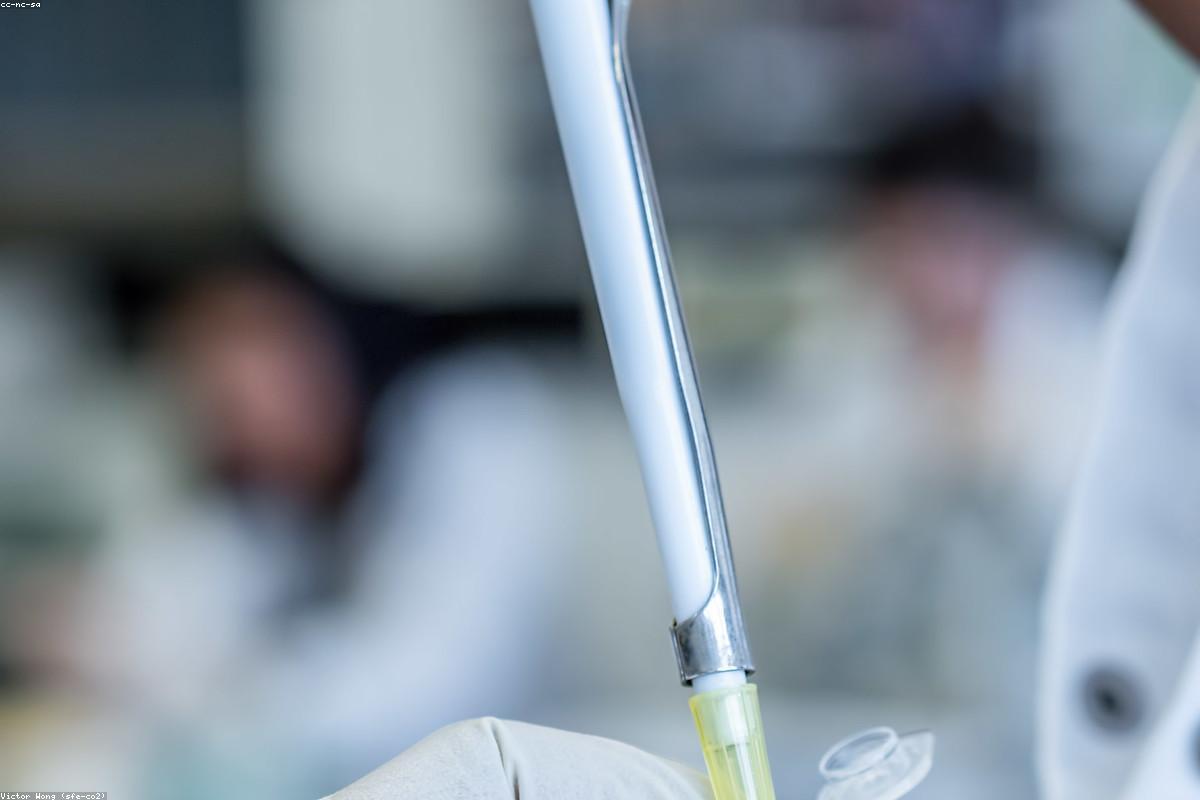
If you were to go back to Hamburg, Germany, in 1669 and walk into the basement of the alchemist Henning Brand, you would be so fumed by the smell that you would pass out on the spot.

Have you ever noticed that there is very little blue in nature? Except for the sky and the sea (that is physical refraction), it is difficult to find blue animals and blue rocks.
If materials science also has a constellation, then Nitrogen must be Gemini, and the most crazy one.